FIELD NOTE / DESIGN
Why Did Tulum Become Beige?
How Tulum found a visual language, exported it around the world and eventually became trapped inside its own success.
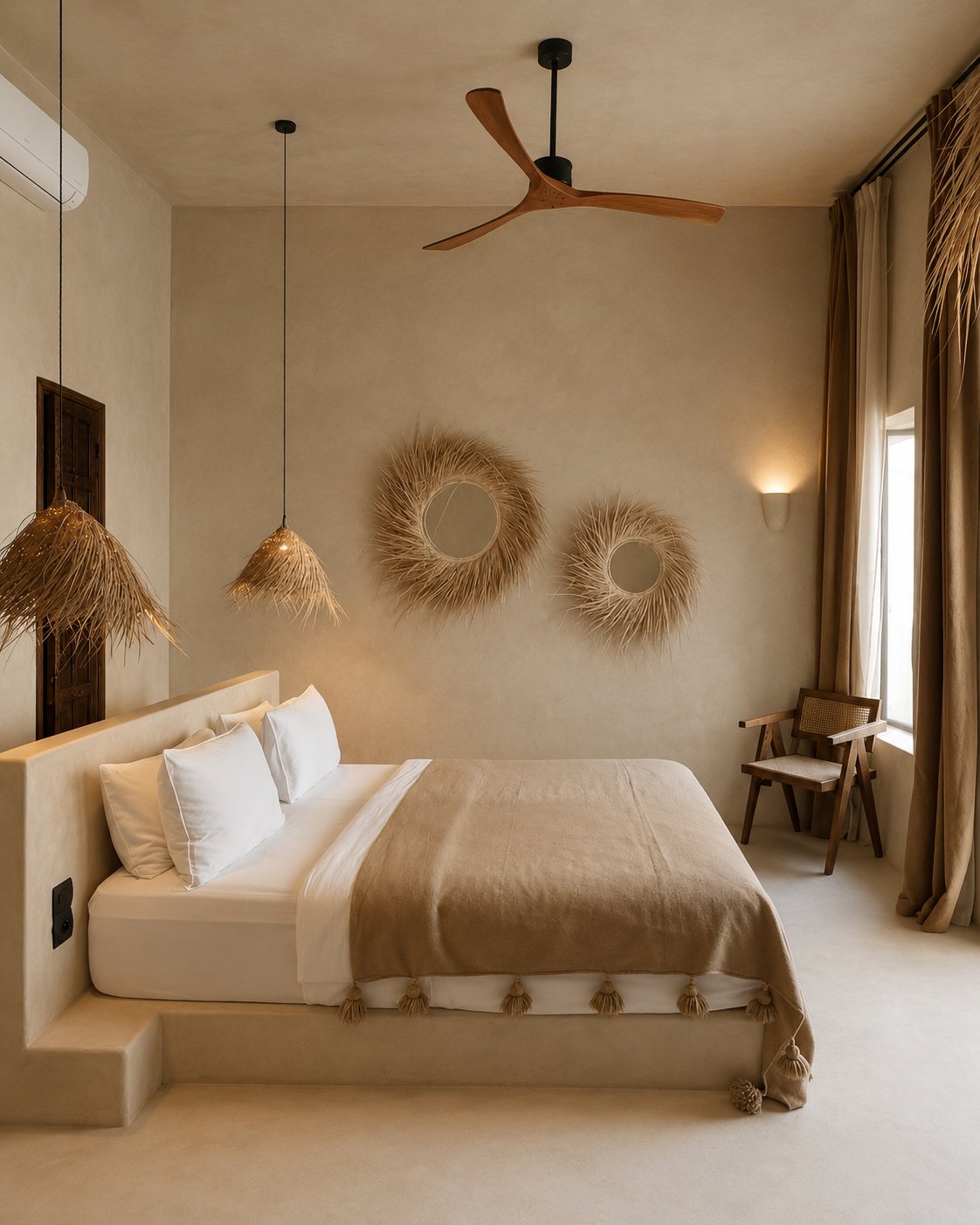
Tulum found an aesthetic. And then it stayed there.
You know the language. Chukum walls. Natural stone. Tropical wood. Handmade objects. Neutral textiles. Organic forms. Palapa. Jungle. Beige.
It is a visual language that became recognizable far beyond Tulum. For good reason. At its best, it responded beautifully to climate, landscape, available materials and a desire to build differently from the conventional resort architecture of the Mexican Caribbean.
We understand it. We have used it. We still respect it.
But something happens when a visual language becomes successful enough to become a formula. Eventually, spaces begin to disappear into each other — a flattening that arrived alongside the overbuilding independent reporting has traced in Tulum's tourism crisis.
THE TULUM AESTHETIC
When a place becomes a style
Tulum did something most destinations never achieve. It developed a visual identity recognizable almost instantly.
Architecture, hospitality, interiors, restaurants and even retail began sharing a vocabulary rooted in natural materials and the surrounding landscape. That language became part of what visitors came to expect from Tulum.
Then something interesting happened. The aesthetic traveled. Elements associated with Tulum began appearing in hotels, restaurants and homes far beyond Mexico — enough that design press such as Dezeen now documents chukum walls, palapa roofs and tropical hardwood as a recognisable international vocabulary rather than a local one.
“Tulum style” became something you could search for. Something you could reproduce. Something you could sell.
And once a place becomes a style, the distance between identity and formula becomes very small.
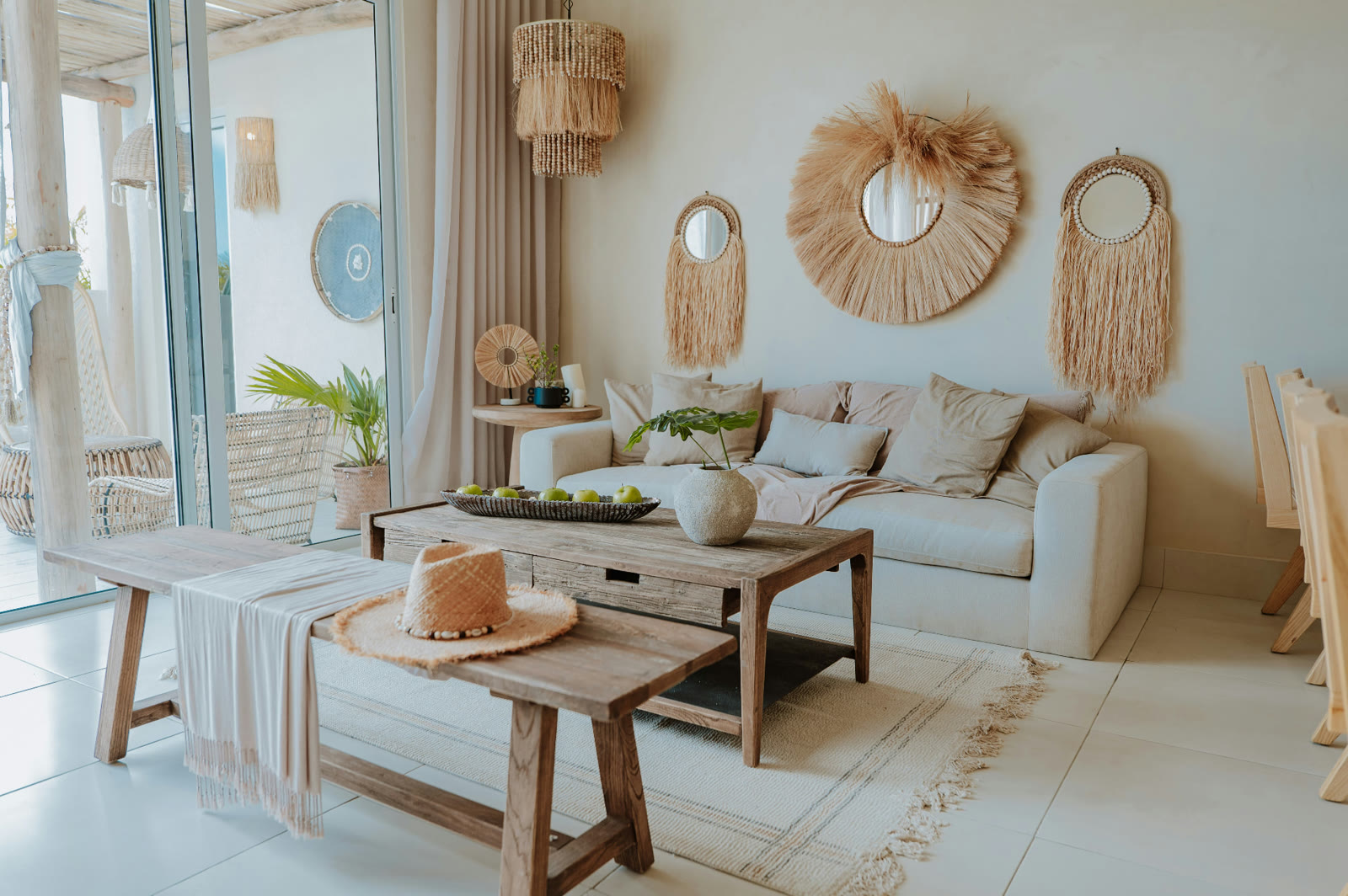
THE FORMULA
When everything starts looking good in exactly the same way
There is nothing inherently wrong with neutral colors. There is nothing wrong with chukum, tropical wood, stone or handmade furniture.
The problem begins when those decisions stop responding to a particular place and start being selected because they belong to an established formula.
A hotel can be beautifully designed and still be difficult to remember. A restaurant can photograph perfectly and still feel interchangeable. A villa can contain expensive furniture and still have no story of its own.
When everyone uses the same visual vocabulary, design stops being a differentiator. The spaces may remain beautiful. But they begin disappearing into each other.
“Beautiful is not the same as memorable.”
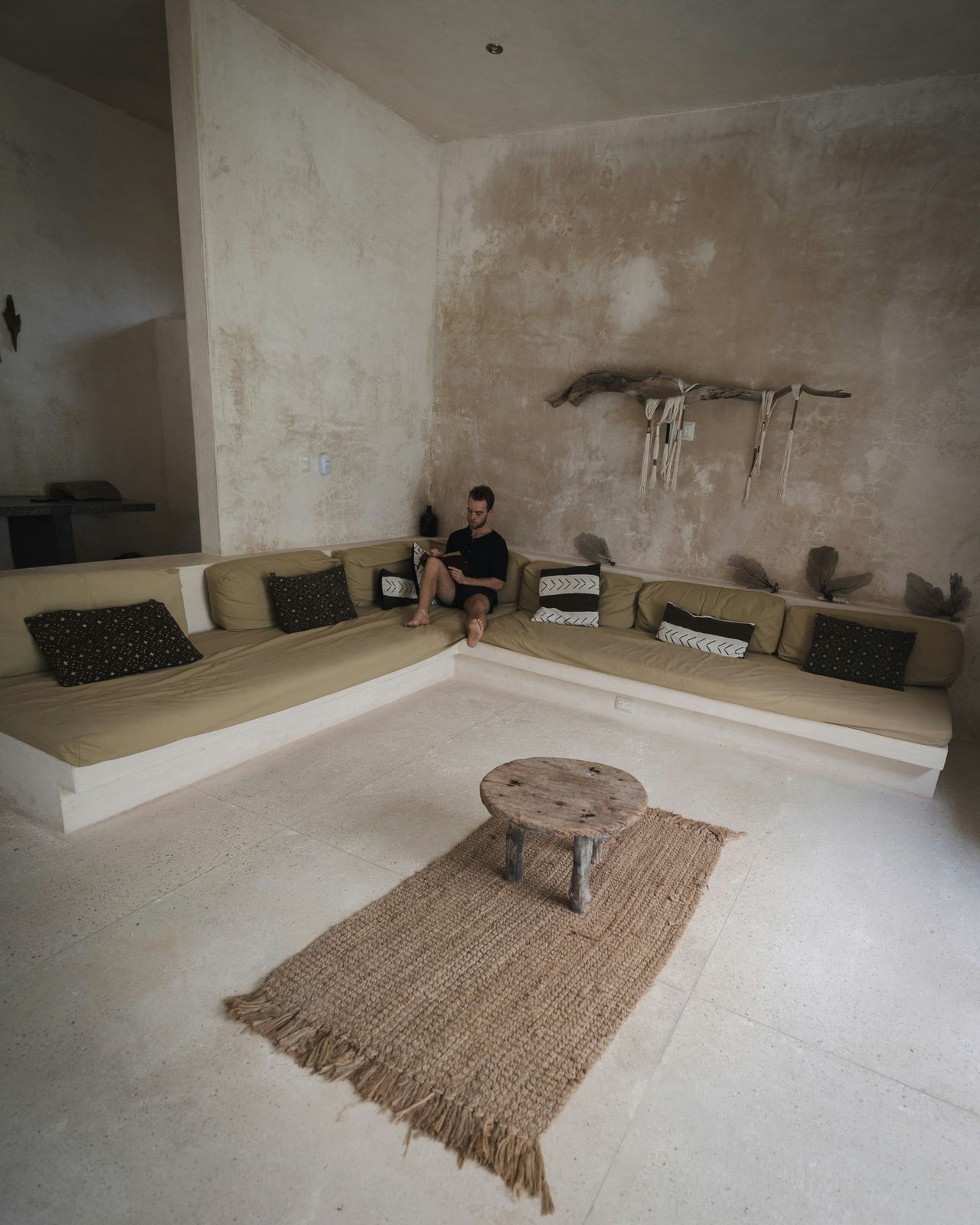
IDENTITY
What makes a space belong to itself?
Identity does not necessarily require louder architecture. It does not require abandoning the materials or visual language that made Tulum interesting in the first place.
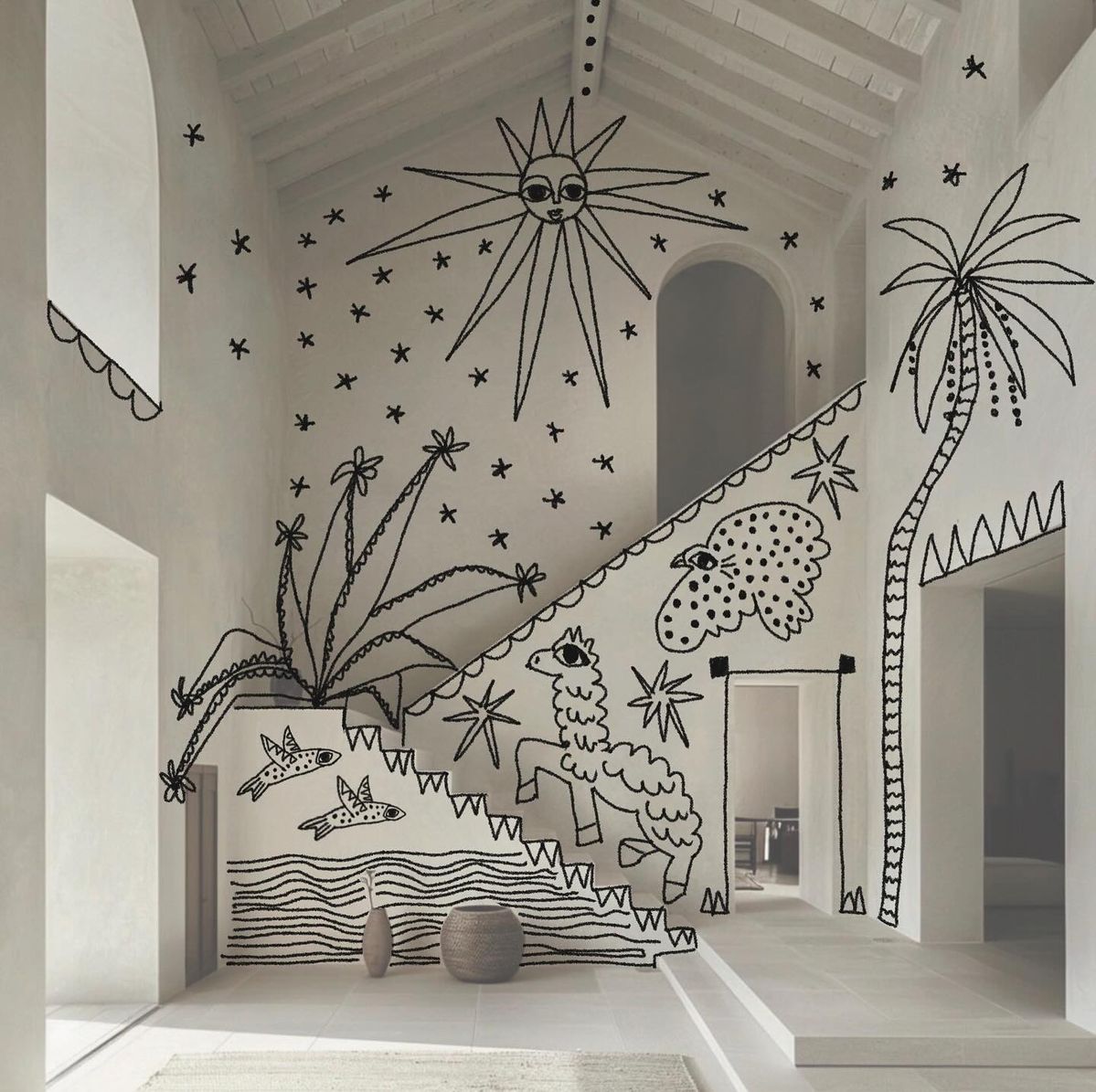
Sometimes the difference is much smaller. A wall created specifically for the property. A work commissioned from an artist whose practice connects with the story of the space. An edition guests can discover in their room. An intervention that could only exist in that particular building.
A relationship with artists from the territory rather than artwork selected from a generic catalog at the end of the design process.
These decisions create memory. And memory is increasingly valuable in a destination where visual similarity has become the norm.
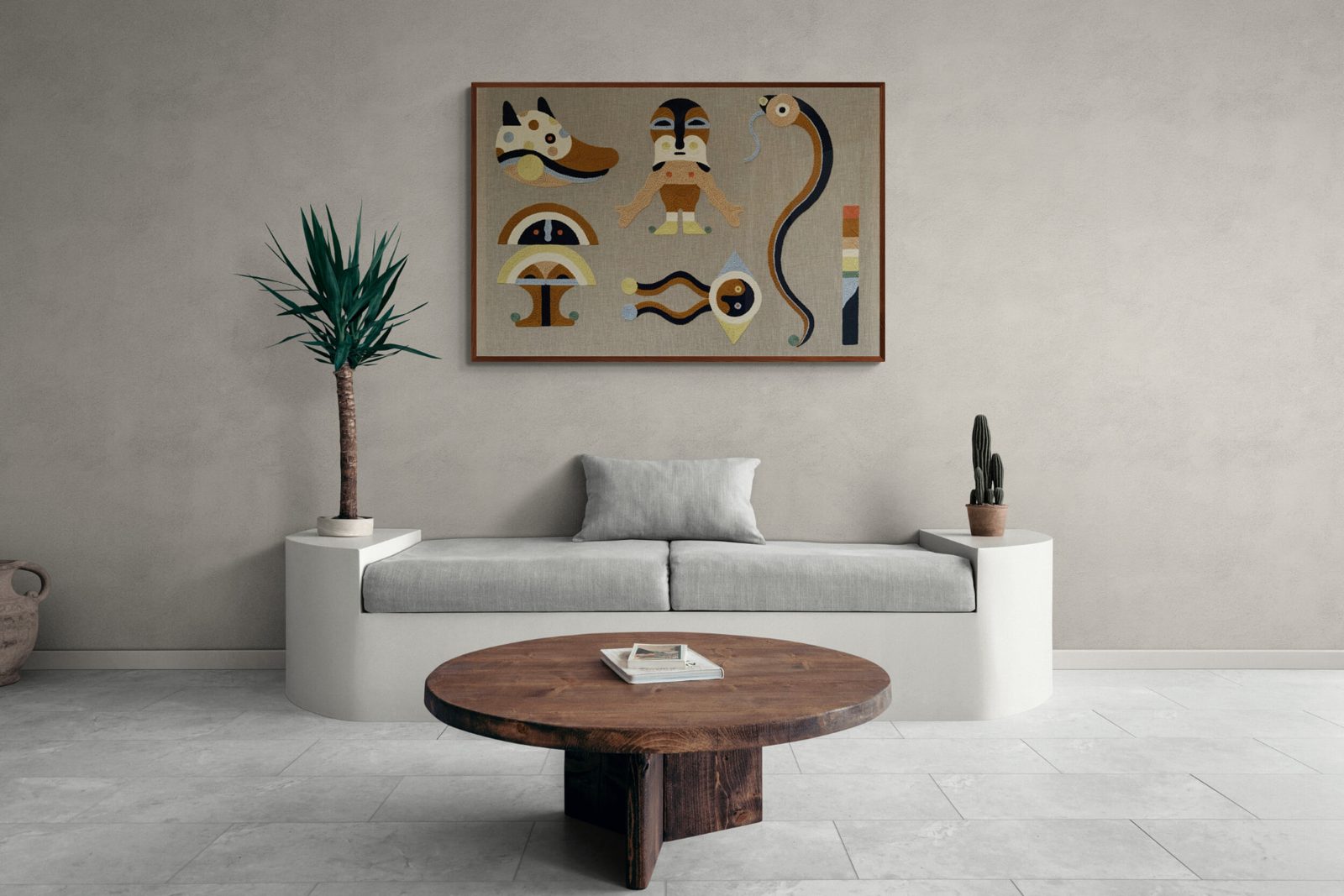
ART + SPACE
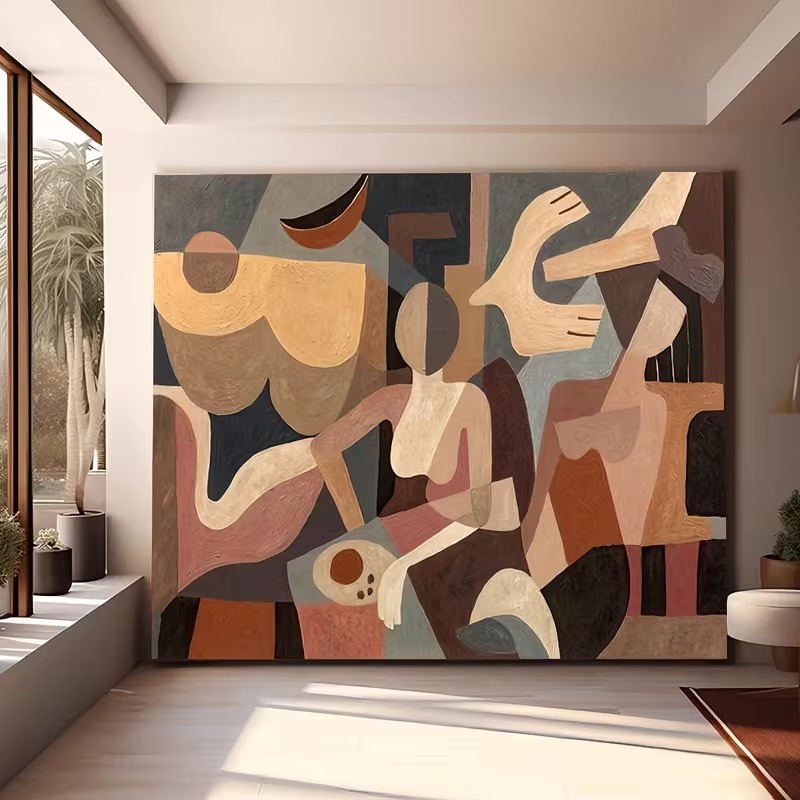
Art should not arrive at the end
One of the most common mistakes is treating art as the final decorative layer. The architecture is finished. The interiors are installed. Then someone asks: what should we put on this wall?
There is another way to work. Art can enter earlier. It can respond to architecture, landscape, brand, materiality and the people who will eventually inhabit the space.
Artists can create specifically for a project. Existing works can be curated around a particular narrative. Murals, editions, sculpture, photography and site specific interventions can become part of how a property is experienced rather than simply how it is decorated.
That distinction matters. Decoration fills space. Art can give it identity.
TAC STUDIO
A different starting point
At TAC Studio, we work from that idea. Art as part of the space, not something added at the end.
Through the artist network developed by Tulum Art Club, we connect hotels, villas, restaurants, developments, architects and interior designers with artists and artwork appropriate for each project.
That can mean finding an existing work. Commissioning something new. Producing a mural. Developing editions. Creating a site specific intervention. Or simply helping a team understand what kind of art actually belongs in the space they are creating.
The objective is not to make every project look like Tulum Art Club. And it is certainly not to change Tulum. It is to help each project develop its own identity within it.
WHAT COMES NEXT
Beyond beige
The next chapter of Tulum does not need to reject the one that came before it. The materials can stay. The relationship with nature can stay. The restraint can stay.
What can change is the assumption that every project needs to speak exactly the same visual language.
Tulum became influential because it once looked different. Perhaps the interesting question now is not what the next Tulum aesthetic will be. Perhaps it is whether we need another formula at all.
Maybe the future is simply more individual. More connected to artists. More connected to story. More connected to place.
This is just the beginning.
AUTHOR
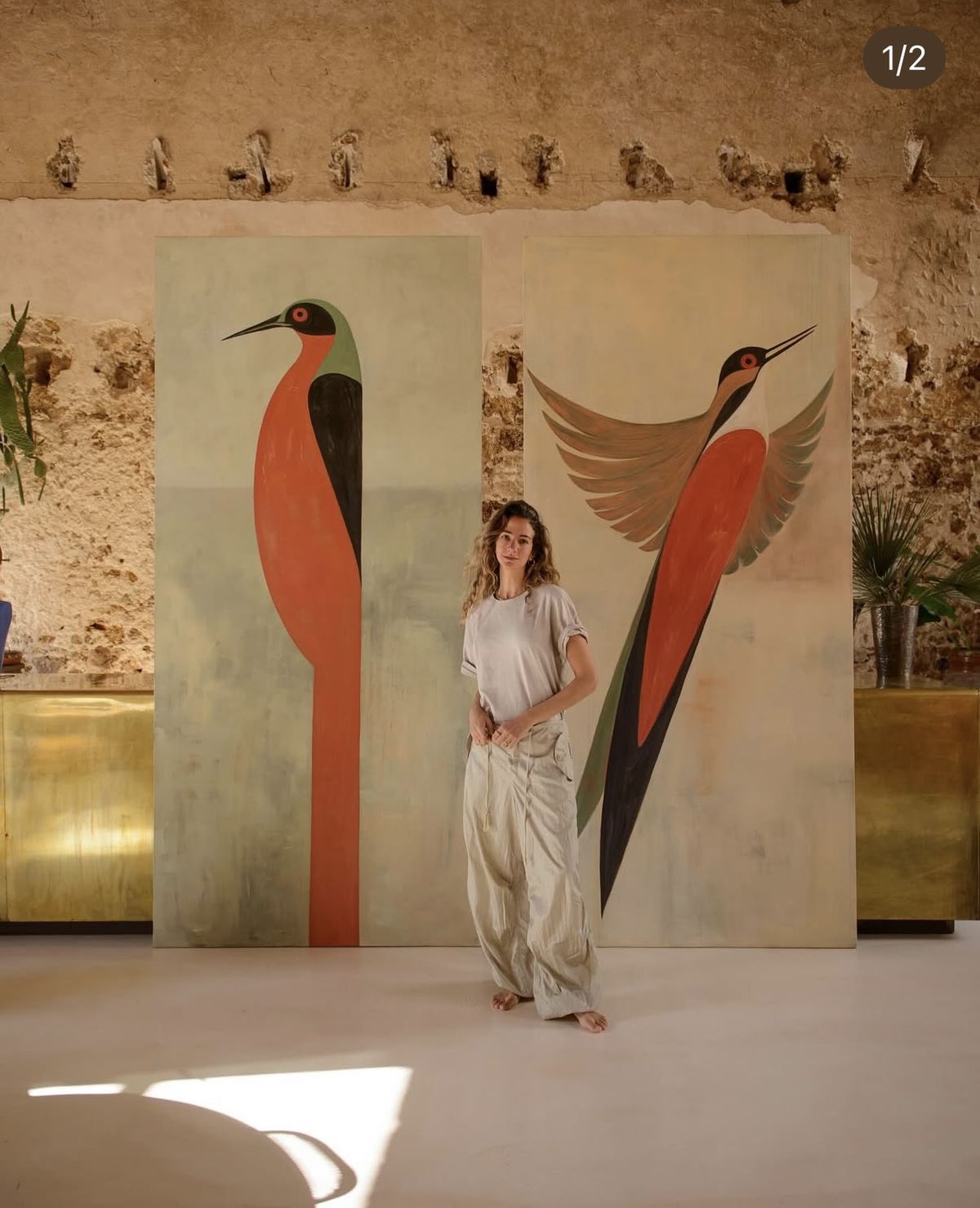
Alfonso founded Tulum Art Club in 2011 and has curated its murals, residencies, editions and site-specific projects ever since, working with more than 300 artists across Tulum, Valladolid and the Riviera Maya.
He lives and works in Tulum, and most of what he writes here comes from producing art on its walls: negotiating permissions, standing on scaffolding, and watching the town change around the work.
CONTINUE EXPLORING